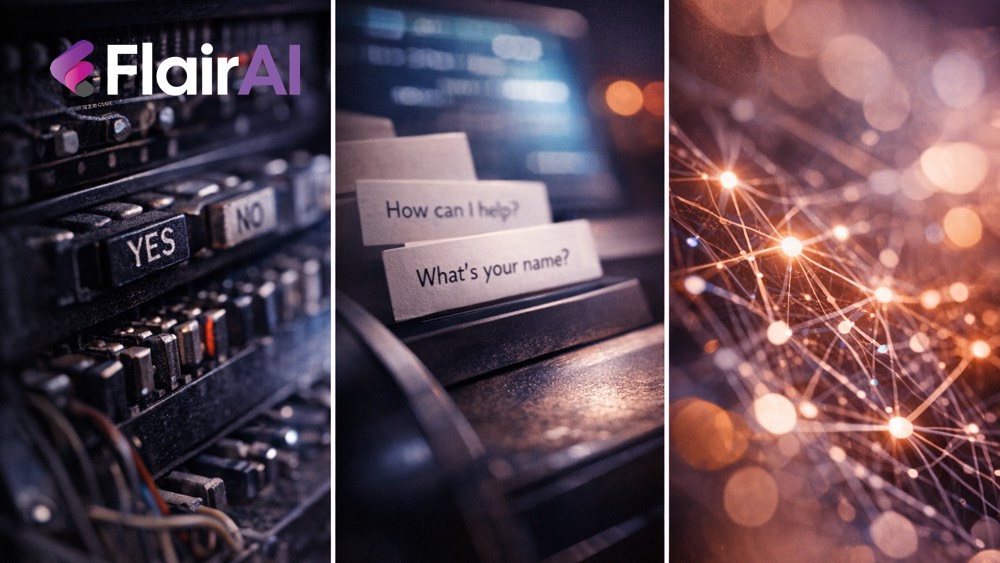
Chatbots have come a long way. The earliest ones followed rigid rules. Respond when prompted. Otherwise stay silent. Rule-based. Then came retrieval systems. They picked responses from a set. Better, but still limited. Then neural models arrived. Pre-trained language models generate text freely. But still sometimes drift or hallucinate.
How Chatbots Evolved Over Time
The survey from Elsevier describes this evolution clearly. It traces rule-based, retrieval-based, neural generation, pre-trained models, knowledge-enhanced systems, and agent-and tool-augmented chatbots. Then it introduces something called a System-Integrated Conversational NUI. A chatbot becomes the front end to other digital systems. It does more than chat. It connects user language to real actions across tools and workflows. That marks an important shift in how good chatbots can be. This is grounded in how they now integrate workflows rather than just produce replies.
This evolution reflects deeper changes in artificial intelligence. Early chatbots were like single-function gadgets. You pushed a button and got a response back. They were useful, but only within narrow limits. With every leap in technology, these chatbots transitioned from being strictly reactive to more interactive and engaging tools.
Let's look deeper. Retrieval-based systems, the first upgrade from rule-based models, introduced variability. They could draw from a wider set of potential responses. But they lacked the flexibility and adaptability users often sought. This changed significantly with the introduction of neural models. These systems could learn more independently and handle a broader scope of interactions.
Neural models represented a breakthrough because they introduced the ability to generate responses that were not pre-programmed. Instead, these chatbots could produce entirely new sentences that seemed almost human. Yet, they sometimes went off track, producing nonsensical or irrelevant answers, highlighting the importance of context and ongoing improvement.
Agentic Systems Raise the Bar
Another recent paper takes it further. It calls the newest chatbots "agentic AI." These systems perceive context, break problems into steps, call external tools, and revise their responses through multi-turn dialogue. That is a step beyond text generation. It means a chatbot can plan, act, reflect, and adapt in an ongoing conversation. Chatbots are becoming little assistants in their own right.
The emergence of agentic AI is significant because it turns chatbots into proactive participants in user interactions, rather than just passive responders. Imagine a scenario where you're planning a trip. An agentic AI can not only suggest flights and hotels based on your preferences but can dynamically adjust these suggestions based on real-time data. It can map out an itinerary, confirm details with minimal input, and even make changes when necessary.
Consider the potential in the healthcare industry, where chatbots could not only schedule appointments but also update you about changes instantly based on shifting medical guidelines. In retail, these AI could adjust shopping lists as you buy products, ensuring you never miss a necessity during your shop.
Why This Matters
That raises the question: how good can a chatbot become? Based on these sources, a chatbot could eventually act more like a helper that notices opportunities, consults resources, and adjusts its strategy over a conversation. It could run your calendar, retrieve relevant data, write, organise, maybe even book or schedule things - all prompted by natural language.
The ability of these systems to consistently adapt to new domains of knowledge and application is transformative. They can become vital tools in business environments, improving efficiency by handling routine tasks automatically, and enabling employees to focus on more complex challenges.
Furthermore, this evolution is not just beneficial for large-scale industries. Small businesses can also harness these tools to streamline customer service, automate basic sales processes, and maintain accurate records without significant personnel investment.
But There Are Limits
The research is clear that each capability shift brings its own challenges. Turning language into actions requires reliable integration. Calling external tools adds complexity and potential latency. Keeping a reliable multi-step dialogue needs strong context retention. The surveys note these technical challenges. And they do not promise perfection. Instead, they map out where improvements matter most.
However, there are also ethical and practical considerations. As chatbots gain more autonomy, questions arise about data privacy and security. Ensuring these systems respect user data and make decisions ethically is crucial. Furthermore, the need for high-quality data remains a significant hurdle. Poor data can lead to inaccurate responses and diminish user trust.
Attempts to make chatbots more autonomous may inadvertently increase their dependency on accurate context, yet this will only highlight the significant gap between advancements and user expectations.
What This Means in Practice
Here is how progress breaks down:
That means we’re already seeing chatbots that can retrieve information, plan actions, even act across tools. They are slowly becoming more assistant-like than conversational toys.
Where It Might Go Next
This is analysis based on the literature. A natural extension is fully autonomous assistants. Ones that anticipate needs, initiate follow-ups, and chain tasks across services. But the research does not say that is here yet. It only maps the trajectory. What we can say is that chatbots are steadily evolving from patterned responders to capable agents. Each step brings both power and complexity.
I still remember the first time I asked a chatbot to book a meeting. It was basic. But now it can follow up, check availability, and confirm. That sense of helpfulness is what makes all the difference.
The advancement toward true autonomy in chatbots points to a future where they participate in problem-solving rather than just responding to isolated requests. Such progress could revolutionise industries from healthcare, with chatbots handling initial patient screenings, to finance, where they could automate more complex transactions.
How good a chatbot can become depends on design choices and systems integration. Make it reliable. Configure it well. Build trust. Then it can do so much more than just chat.